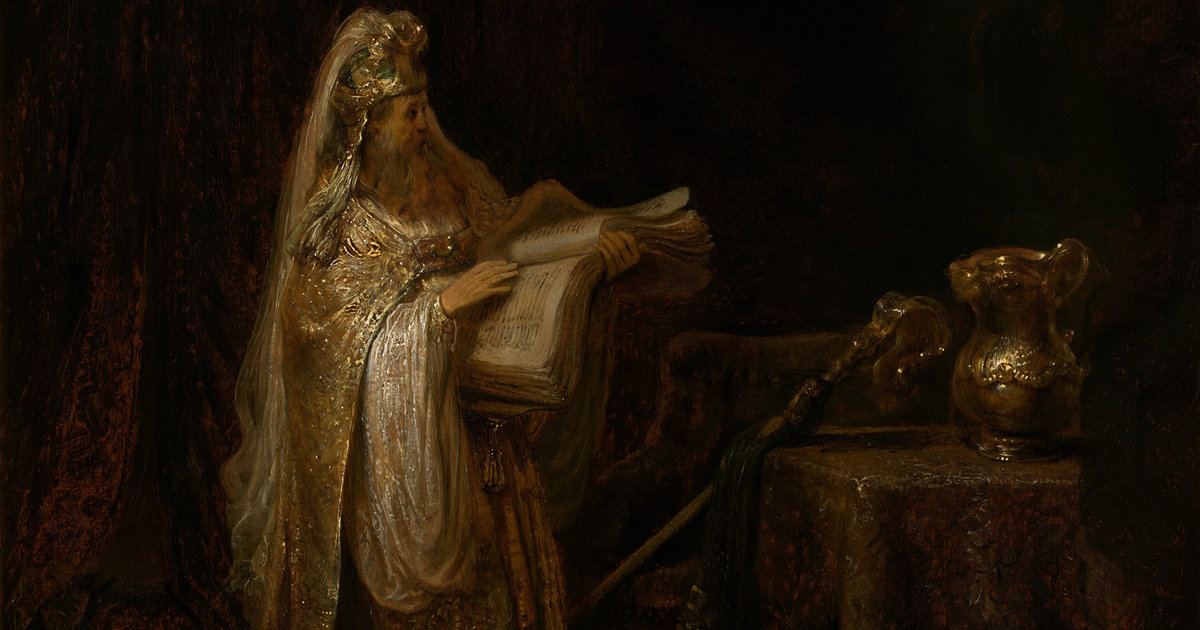
Rijksmuseum Unveils "Zacharias": How Modern Tech Confirmed a Young Rembrandt
The art world often feels like a treasure hunt, with hidden gems awaiting discovery in dusty attics or forgotten collections. Few treasures, however, rival the rediscovery of a genuine Rembrandt. The Rijksmuseum in Amsterdam recently sent ripples of excitement through the global art community with the sensational announcement that a long-lost painting, "The Vision of Zacharias in the Temple," is indeed an authentic work by the Dutch master, Rembrandt van Rijn. This landmark confirmation, achieved through a blend of cutting-edge technology and meticulous art historical expertise, offers an invaluable glimpse into the early career of one of history's most influential artists. It's a testament to how modern science is continually reshaping our understanding of art history and
confirming Rembrandt's authenticity even centuries later.
The Re-Emergence of "Zacharias": A Tale of Modern Forensics and Masterful Art
For decades, "The Vision of Zacharias in the Temple," dating back to 1633, lay in relative obscurity. Purchased by a private individual in 1961, it largely vanished from public consciousness, mistakenly believed by many to be the work of a student or follower rather than the maestro himself. The owners, upon discovering what appeared to be Rembrandt's signature, approached the Rijksmuseum in 2023, sparking an intensive two-year investigation. What followed was a rigorous examination that harnessed the very latest in art forensic science.
Researchers at the Rijksmuseum’s prestigious ateliers deployed an arsenal of advanced techniques. Material analyses meticulously studied the pigments and binders used, comparing their composition to known Rembrandt works from the same period. Stylistic comparisons delved deep into the brushwork, compositional choices, and thematic elements, seeking echoes of Rembrandt's evolving hand. Critically, the team also identified pentimenti – the artist's own revisions and changes visible beneath the surface – which are strong indicators of a master at work, constantly refining their vision. The overall quality of the painting, combined with these tangible proofs, began to build an undeniable case. Finally, a forensic analysis of the signature unequivocally declared it authentic, and a precise dating of the wooden panel confirmed the "1633" inscription. This meticulous process brilliantly illustrates how modern technology now plays an indispensable role in
rembrandt echtheit bestätigt.
According to Museum Director Taco Dibbits, the painting "fits perfectly" with other works Rembrandt created around the age of 27. This period, often referred to as his "young Rembrandt" phase, is crucial for understanding his development before he became the celebrated master of later portraits and biblical scenes. The revelation is particularly significant because "Zacharias" will now be on permanent loan to the Rijksmuseum from its private owners, making it accessible to the public from Wednesday onwards. This offers an extraordinary opportunity for enthusiasts and scholars alike to explore the formative years of Rembrandt's genius.
Beyond "Zacharias": The Enduring Impact of Authentication in the Art World
The "Zacharias" discovery, while spectacular, is not an isolated incident. The past two decades have witnessed several high-profile cases where previously doubted or entirely "lost" Rembrandts have been authenticated, often with dramatic consequences for their value and place in art history. These stories underscore the profound impact that expert confirmation has on the art market and our cultural heritage.
One notable example involves a Rembrandt self-portrait from 1635, housed at Buckland Abbey in South England. For decades, this striking image, featuring the artist in a hat adorned with a large white feather, was attributed to a mere student. However, the renowned Rembrandt Research Project (RRP), under the leadership of eminent Rembrandt expert Ernst van de Wetering, recently confirmed its authenticity. The British National Trust officially endorsed these findings, instantly elevating the painting's estimated value into the double-digit millions. Yet, despite this overnight appreciation, the painting cannot be sold, as it is classified as British cultural heritage. This designation, while preserving art for the nation, presents challenges for institutions like Buckland Abbey, which must grapple with skyrocketing insurance costs.
Another compelling tale involves a painting acquired by a British art dealer in 2008 for approximately £2.2 million. Initially offered at a smaller English auction house with a modest estimate of £1,000-£1,500 and described merely as a "presumed follower of Rembrandt," this piece too underwent scrutiny by Ernst van de Wetering. His expert verdict: it was a genuine Rembrandt. This authentication catapulted its value into the tens of millions, demonstrating the transformative power of expert verification. These instances highlight the critical role of specialized research bodies and individual connoisseurs in
rembrandt echtheit bestätigt, fundamentally reshaping our understanding of his oeuvre and its market value. To delve deeper into similar fascinating discoveries, read
Two Lost Rembrandts Confirmed: Authentication Reveals Multi-Million Dollar Value.
The Pillars of Authenticity: How Experts Confirm a Masterpiece
The process of
confirming a Rembrandt's authorship is far from simple; it’s a complex, multi-layered endeavor that blends art history, scientific analysis, and profound connoisseurship. Organizations like the Amsterdam-based Rembrandt Research Project (RRP) have dedicated decades to meticulously cataloging and authenticating Rembrandt's works, setting the gold standard for attribution. Their methodology, mirrored in the Rijksmuseum's "Zacharias" investigation, rests on several key pillars:
- Stylistic Analysis: This is where the expert eye truly shines. Connoisseurs examine brushwork, color palette, composition, anatomical rendering, and thematic elements, comparing them against a comprehensive understanding of the artist's known stylistic evolution throughout his career. Subtle nuances in how Rembrandt rendered light, shadow, and human emotion become critical clues.
- Technical Examination: Modern science provides irrefutable evidence. Techniques include:
- Pigment Analysis: Identifying the chemical composition of paints used, comparing them to palettes known to be available and used by Rembrandt in specific periods.
- Wood Panel/Canvas Dating: Dendrochronology (tree-ring dating for panels) or analysis of weaving patterns and canvas composition can confirm if the materials are consistent with the artist's lifetime and working practices.
- Infrared Reflectography & X-rays: These allow researchers to peer beneath the surface layers, revealing underdrawings, initial sketches, and crucial pentimenti (artist's changes). The presence of such revisions is a strong indicator of a master at work, evolving their vision, rather than a copyist.
- Archival Research & Provenance: Tracing a painting's ownership history (provenance) through historical documents, sale records, and inventories can confirm its lineage and help place it within Rembrandt's historical context.
- Signature and Dating Analysis: Forensic examination of signatures and dates can determine if they are consistent with known examples of the artist's hand and if they were applied concurrently with the painting or added later.
When all these diverse lines of inquiry converge and point to the same conclusion, the case for authenticity becomes overwhelmingly strong. For anyone interested in the rigorous processes behind these groundbreaking confirmations, explore
Rembrandt Research Project: How Experts Authenticate Lost Masterpieces. Understanding these methods is not just for experts; it offers invaluable insight for collectors and enthusiasts, providing a framework for appreciating the true value and historical significance of confirmed masterpieces.
The Young Rembrandt: A Glimpse into Genius
"The Vision of Zacharias in the Temple" provides a precious window into Rembrandt's artistic development as a young man, aged just 27. This period, following his move from Leiden to Amsterdam, was a time of immense growth and experimentation for the artist. During the 1630s, Amsterdam flourished as the epicenter of the Dutch Golden Age, attracting ambitious talents like Rembrandt, who would go on to define the era. The Frankfurt Städel Museum, for instance, recently celebrated this vibrant period with an exhibition focusing on Amsterdam and its great painters, including Rembrandt and his contemporaries.
"Zacharias" reveals a Rembrandt already possessing a profound understanding of light, shadow, and human drama, even as he was honing the distinctive style that would later characterize his mature works. His choice of a biblical narrative, focusing on the moment Zacharias receives a divine vision, showcases his early interest in storytelling and emotional depth. Examining this painting alongside his other works from 1633 allows scholars to trace the evolution of his brushwork, his mastery of complex compositions, and his burgeoning skill in capturing psychological intensity. It provides critical context, showing us the foundational elements of the genius that would later produce iconic pieces like "The Night Watch" and his numerous evocative self-portraits. For those keen to observe the roots of a master, these early authentic works are indispensable.
Conclusion
The authentication of "The Vision of Zacharias in the Temple" by the Rijksmuseum is more than just another art discovery; it's a testament to the ongoing dialogue between historical art and modern science. It reminds us that even the most established canons of art history are subject to re-evaluation, thanks to diligent research and technological advancements. The stories of "Zacharias," the Buckland Abbey self-portrait, and the art dealer's lucky find underscore the immense value—both cultural and monetary—that hangs in the balance when a Rembrandt's authenticity is confirmed. These remarkable revelations not only enrich our collective understanding of Rembrandt van Rijn's prolific career but also reignite our fascination with the potential for more "lost" masterpieces to emerge, waiting for modern techniques to confirm their genuine heritage. As museum director Taco Dibbits aptly noted, it's "wonderful that the public now can learn more about the young Rembrandt," inviting us all to appreciate the intricate journey of a genius.